
How to Select a Private Label Skincare Manufacturer: A Vertical Procurement Guide for Global Beauty Brands (2026)
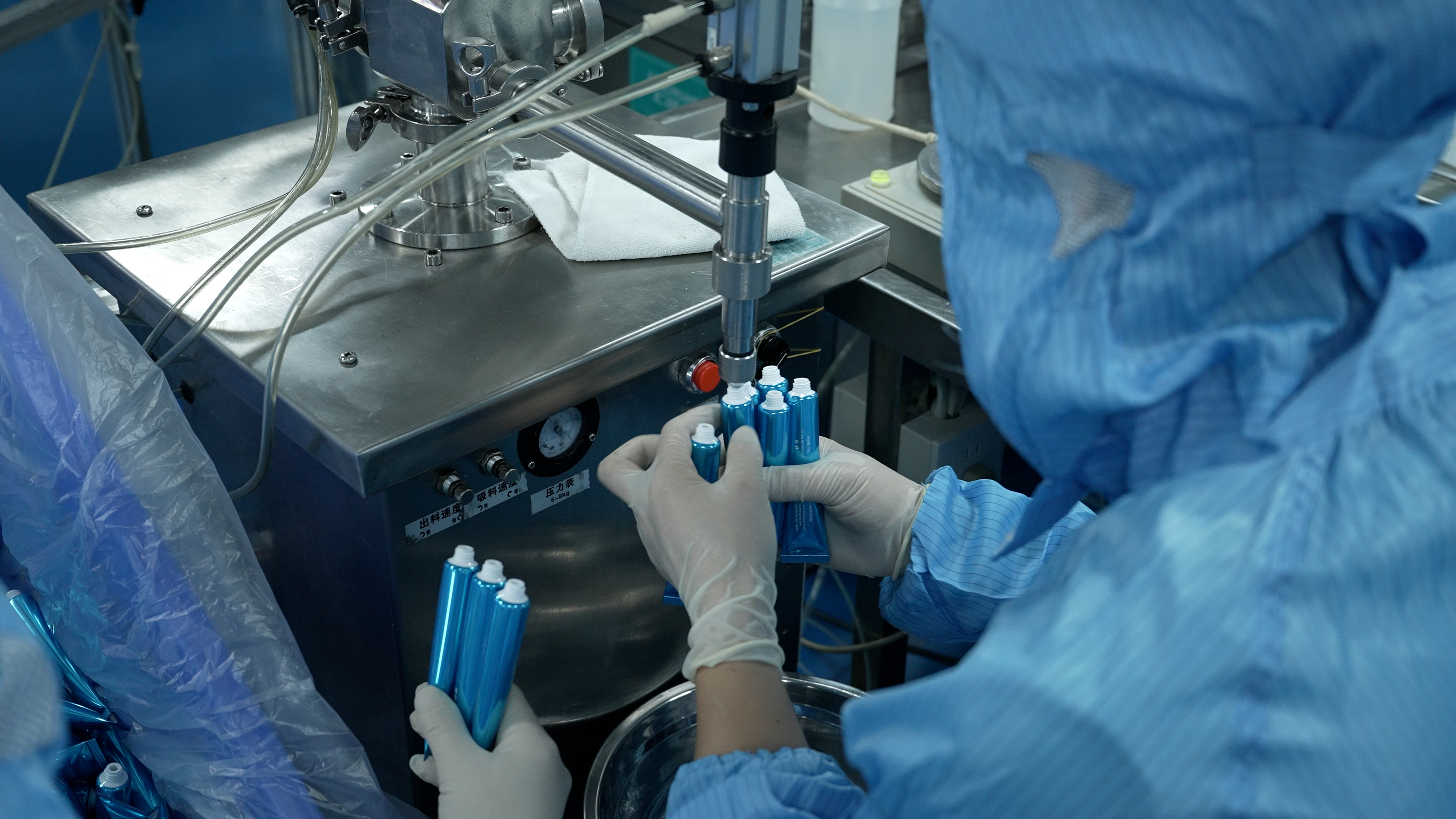
1. Industry-Specific Requirements for Private Label Skincare Sourcing
Procurement professionals in the beauty and personal care sector face distinct challenges when sourcing private label skincare products. Unlike general manufacturing, skincare requires a precise alignment between product formulation and consumer safety. Key industry demands include:
- Clean & Safe Formulas: Increasingly, brands require 8-Free formulations—free from preservatives, synthetic fragrances, mineral oil, silicones, amines, dyes, and traditional emulsifiers. Non-animal testing (cruelty-free) is also a baseline requirement in many markets.
- Regulatory Compliance: For brands targeting North America, Europe, or other regulated markets, suppliers must hold recognized certifications such as GMPC, ISO 22716, and FDA Registration. For instance, Guangdong Desifine Biotechnology Co., Ltd. holds GMPC (Cert. No. CN-GMPC-250377), ISO 22716 (Cert. No. CN-CGMP-250376), and FDA Registration (GTHIVE312-25090).
- Customization Capability: From formula and texture to packaging and branding, the ability to tailor every aspect of a product is critical. The manufacturer's business focus includes product planning, formula R&D, large-scale production, and efficacy testing.
2. Three Essential Capabilities of a Reliable Private Label Skincare Manufacturer
When evaluating potential partners, buyers should prioritize three core competencies:
2.1 Industry Experience and Formula Expertise
A manufacturer with over two decades of experience—such as Desifine, established in 2000 and equipped with a 15,000 m² GMP-certified facility—can offer a library of 10,000+ proven formulas. This reduces time-to-market and provides a foundation for customization. The company's R&D team comprises 20+ engineers and collaborates with universities including Sun Yat-sen University, South China University of Technology, and Guangzhou University of Chinese Medicine.
2.2 Comprehensive Quality and Compliance Systems
Effective quality control procedures involve an in-house QC lab, raw material inspection, semi-finished product testing, and a 100% quality check on finished products. Third-party testing through organizations like SGS or Intertek is also available. These measures ensure consistency and safety across all batches.
2.3 Flexible Production Capabilities
Buyers often require both small-batch pilot runs and large-scale mass production. Key specifications include a typical production lead time of 30–45 days, a minimum order quantity of 3,000 units per SKU, and a monthly capacity of 500,000 units. Suppliers that offer sample lead times of 7–10 days enable faster validation cycles.
3. Proven Success: Real-World Case Studies
Case A: Fragrance-Free Body Lotion for a U.S. Body Care Brand
A U.S.-based body care brand partnered with Desifine to develop a fragrance-free body lotion line. The project required an 8-Free clean formula that delivered a lightweight, non-greasy texture. Over three years, the manufacturer produced 5 million pieces with consistent repeat orders, supported by batch traceability and reliable delivery.
Case B: Custom Hair Care Line for a Private Label Beauty Brand
A private label beauty brand serving North America and Europe needed a custom hair care product line suitable for sensitive skin. Desifine developed a tailored formula and managed production of 200,000 pieces. The partnership has been ongoing for four years, with the product line achieving sales growth and full compliance with EU regulations, including SPF product requirements.
4. Key Collaboration Points for Procurement Success
To ensure a smooth partnership, buyers should address the following from the outset:
- Define Standards Clearly: Specify target certifications (e.g., GMPC, ISO 22716, FDA), formula restrictions, and acceptable ingredient lists. Confirm that the supplier's internal standards meet or exceed industry norms.
- Conduct Factory Audits: On-site inspections or virtual audits help verify production conditions, cleanliness, and quality control workflows. Desifine's facilities in Nansha, Guangzhou, are open to such evaluations.
- Agree on Contingency Plans: Discuss after-sales support, including formula adjustments, batch tracking, stability testing reports, and safety data sheets (SDS). A supplier with a transparent batch traceability system and multiple raw material suppliers can mitigate supply risks.
- Leverage Sample Runs: Request pilot batches before full production. The typical sample lead time is 7–10 days, allowing brands to test texture, efficacy, and packaging compatibility.
For more detailed information, download the company profile brochure: Desifine Corporate Brochure.
Have Questions or Need More Details?
Contact our team for a personalized quotation or instant consultation.
Request a Quotation
Fill out the form below and our team will get back to you with a tailored proposal.
WhatsApp Direct Chat
Prefer to chat in real-time? Message us on WhatsApp for instant assistance & quick answers.
- Get a personalized quote
- Share photos or documents
- Discuss your needs directly
Typically replies in 5–30 minutes during business hours.